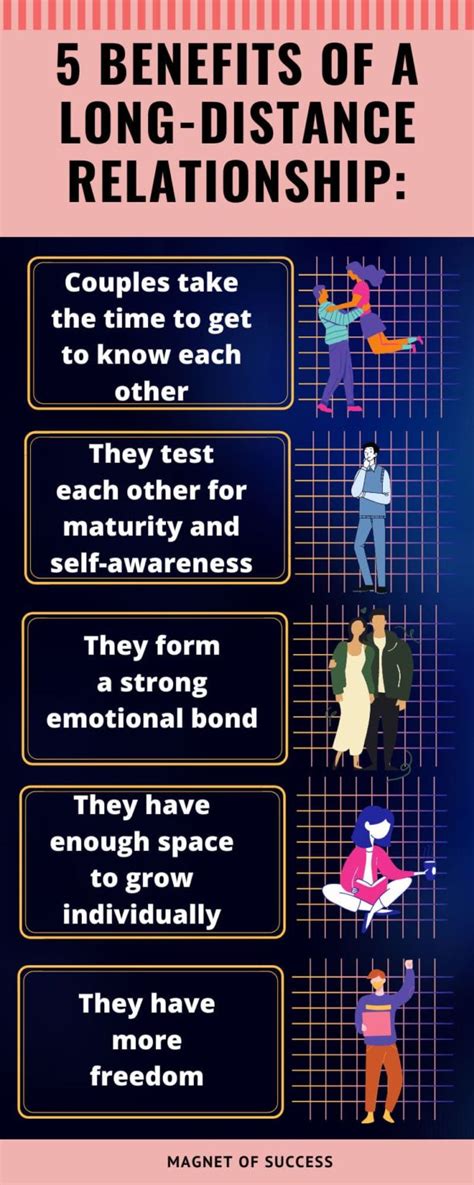
In the modern world, where people are constantly on the move, long-distance relationships (LDRs) have become more common than ever. Whether due to work commitments, educational pursuits, or other reasons, maintaining a connection over miles apart can be challenging. But do long-distance relationships work? This guide will delve into the surprising truths about LDRs, offering you step-by-step guidance, actionable advice, and practical solutions.
Understanding Long-Distance Relationships: The Basics
Long-distance relationships require dedication, communication, and mutual understanding. They differ significantly from traditional relationships because distance introduces unique challenges and opportunities. This guide will address these factors with real-world examples and clear, actionable steps to help you navigate the complexities of LDRs.
Why Do Long-Distance Relationships Struggle?
Before diving into solutions, it’s essential to understand why LDRs often struggle. The main pain points usually include:
- Communication Breakdowns: Misunderstandings can easily occur due to lack of physical presence and limited context.
- Trust Issues: Being apart can foster insecurities and doubts, leading to a lack of trust.
- Time Zone Differences: Scheduling quality time together can be difficult, causing frustration.
- Emotional Distance: The lack of physical closeness can make partners feel emotionally distant from each other.
Understanding these challenges is the first step toward addressing them effectively.
Quick Reference
Quick Reference
- Immediate action item: Schedule regular video calls to maintain visual contact.
- Essential tip: Set aside at least one day each week for meaningful, uninterrupted communication.
- Common mistake to avoid: Not expressing emotions honestly due to distance; it leads to misunderstandings.
Building Trust in a Long-Distance Relationship
Trust is the foundation of any relationship. In an LDR, building and maintaining trust requires intentional effort.
Step-by-step guidance:
To build trust in your long-distance relationship:
- Be transparent: Share your daily activities, whereabouts, and even your feelings. Transparency fosters a sense of security.
- Verify information: Sometimes, we might assume things based on past experiences. Regularly checking in on each other’s words and actions helps maintain clarity.
- Respect boundaries: Trust also means respecting each other’s personal space and privacy. Avoid invasive questions that may seem suspicious.
- Keep promises: When you commit to something, follow through. Whether it’s a shared task or a personal promise, reliability builds trust.
- Be patient: Trust-building is an ongoing process that takes time. Give it time, and don’t rush it.
By being honest, verifying information, respecting boundaries, keeping promises, and being patient, you can build a strong foundation of trust in your long-distance relationship.
Effective Communication Strategies for Long-Distance Couples
Effective communication is key to navigating the challenges of a long-distance relationship. Here’s how you can make the most out of your communications:
Step-by-step guidance:
To enhance communication in your LDR:
- Set regular check-in times: Choose a specific day and time each week to have an in-depth conversation. This routine helps keep you both on track and ensures consistent connection.
- Use various communication tools: Don’t rely solely on one form of communication. Use texts, calls, video chats, and emails to keep the lines of communication open.
- Be clear and concise: Avoid long monologues; get straight to the point. Ensure your messages are clear and to the point to avoid misunderstandings.
- Ask open-ended questions: Encourage deeper conversations by asking questions that require more than a yes or no answer. This fosters a more engaging dialogue.
- Listen actively: Pay attention and show genuine interest in what your partner is saying. This demonstrates respect and makes them feel valued.
By setting regular check-in times, using various communication tools, being clear and concise, asking open-ended questions, and listening actively, you can ensure effective communication in your long-distance relationship.
Navigating Time Zone Differences
Time zones can create obstacles in long-distance relationships, making it difficult to find mutual times for communication and plans. Here’s how to manage it effectively:
Step-by-step guidance:
To navigate time zone differences:
- Use a shared calendar: Employ tools like Google Calendar to schedule and keep track of important dates and times, ensuring everyone is aware of the plan.
- Prioritize your schedule: Determine the times when you can both be most available and make those your priority times for communication.
- Be flexible: Understand that your partner might have to work or take care of other responsibilities. Be willing to adjust your plans to accommodate each other.
- Send reminders: To avoid missing important calls, send reminders ahead of time so both parties are prepared.
- Leverage technology: Use tools like Skype or Zoom to join calls even if the times are inconvenient, but still count as quality time.
By using a shared calendar, prioritizing your schedule, being flexible, sending reminders, and leveraging technology, you can effectively manage time zone differences in your long-distance relationship.
Common FAQs about Long-Distance Relationships
How do I keep the spark alive in a long-distance relationship?
Keeping the spark alive requires intentional effort. Here are some actionable steps:
- Send surprise gifts or care packages to show you’re thinking of each other.
- Plan virtual date nights, like watching a movie together or cooking the same recipe.
- Write heartfelt letters or emails to express your feelings and reminisce about shared memories.
- Set a future goal together, like planning a trip or achieving a project milestone, to work towards something exciting together.
- Engage in shared hobbies or interests online to stay connected on a common passion.
How do I deal with the loneliness in a long-distance relationship?
Loneliness is a common challenge in LDRs. Here’s how to manage it:
- Stay connected regularly with friends and family to have a support system.
- Engage in hobbies and activities you enjoy to keep yourself busy and distracted.
- Participate in online communities or groups related to your interests to meet like-minded individuals.
- Practice mindfulness and self-care to cope with feelings of loneliness.
- Reach out to your partner frequently to share your feelings and get reassurance.
What are the signs that my long-distance relationship is not working?
Recognizing signs that your LDR may not be working is crucial for your well-being:
- Frequent arguments with no resolution.
- A lack of emotional connection and understanding.
- Increased feelings of jealousy and insecurity.
- One partner consistently feeling unappreciated or unloved.
- Both partners not making a genuine effort to maintain the relationship.
If you notice these signs, it may be time to have an honest conversation about the future of your relationship.
Final Tips for a Successful Long-Distance Relationship
As you continue navigating your long-distance relationship, here are some final tips to keep in mind:
- Stay positive: Focus on the good aspects of your relationship and the future you