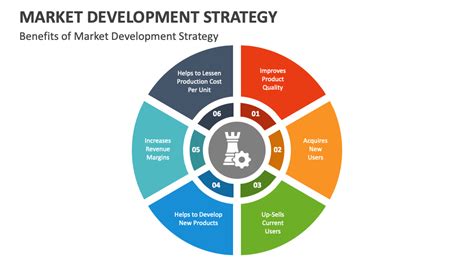
If you're a business owner or marketer striving to increase your company's market reach and profitability, a well-defined market development strategy is critical. This comprehensive guide will unveil the secrets behind crafting and implementing a successful market development strategy, complete with actionable advice, real-world examples, and practical solutions. Our focus is to tackle the common challenges businesses face in expanding their market presence, while providing best practices and tips for optimization. Whether you’re looking to enter new geographic markets, target new customer segments, or launch new products, this guide will provide the roadmap you need.
Understanding Market Development: The Core Problem-Solution
Market development involves strategies that allow businesses to grow their share in existing markets by identifying new customer segments, geographic areas, or product lines. The core challenge businesses face is finding effective ways to expand without compromising current operations. Traditional approaches may often be sluggish, costly, or ineffective. The goal is to enhance revenue by reaching untapped opportunities without the risk of overextending resources.
Here’s where a meticulously planned market development strategy can make a world of difference. It not only helps in optimizing your growth approach but also ensures that you’re leveraging your existing strengths to reach new heights. This guide will walk you through identifying these untapped opportunities, devising targeted tactics, and implementing these strategies with precision.
Quick Reference
- Immediate action item: Conduct market research to understand existing customer segments and potential new markets
- Essential tip: Segment your customer base based on demographics, purchasing behavior, and product usage
- Common mistake to avoid: Overlooking market barriers and cultural differences when expanding into new geographic areas
Step-by-Step Market Development Plan
Creating a successful market development plan requires systematic execution. Here’s a detailed guide to developing a robust market development strategy:
Step 1: Market Research and Analysis
Begin with thorough market research. Understand the current state of your market, including competitive landscape, customer preferences, and industry trends. Utilize surveys, focus groups, and market analytics tools to gather comprehensive data. Look for gaps in the current market offerings and identify potential areas for expansion.
For example, if you own a successful coffee shop in New York, market research could reveal an emerging health-conscious trend in neighboring towns. Armed with this insight, you can target these towns for market development.
Step 2: Identify Target Markets
Once you have a clear understanding of your existing market, identify potential new markets. This could involve geographic expansion, new customer segments, or new product lines. Use demographic data, economic indicators, and psychographic information to refine your target markets.
Consider using geographic information systems (GIS) for more precise targeting. If expanding geographically, select regions with a growing population and a high potential for adopting your product or service.
Step 3: Develop Entry Strategy
With your target markets in hand, develop an entry strategy. This involves deciding how to enter the new market – through direct investment, joint ventures, strategic alliances, or digital platforms.
For example, if expanding into Europe, evaluate whether to set up a local office or partner with a local distributor. This decision should be based on cost considerations, market conditions, and strategic fit.
Step 4: Customization and Adaptation
Adapt your product or service to fit the needs of the new market. This might involve localization of your product, customization of marketing messages, or even adjusting your pricing strategy.
Take the example of a US-based snack company entering the Japanese market. They might need to adapt flavors to suit local tastes, use packaging that complies with local regulations, and tailor marketing campaigns to resonate with Japanese consumers.
Step 5: Implementation and Monitoring
Roll out your market development plan with meticulous execution. Monitor the performance using key performance indicators (KPIs) like sales growth, market share, customer acquisition costs, and customer satisfaction scores. Adjust your strategy as needed based on real-time feedback.
Consider using digital analytics tools for real-time monitoring. Implement a robust feedback loop to quickly adapt to new market trends.
Quick Reference
- Immediate action item: Develop KPIs tailored to your market development objectives Essential tip: Leverage digital tools for real-time performance tracking
- Common mistake to avoid: Failing to monitor and adapt the strategy based on performance data
Advanced Market Development Tactics
As you advance in your market development journey, consider these advanced tactics to further optimize your efforts:
Tactic 1: Digital Marketing Expansion
In today’s digital age, enhancing your online presence is crucial. Use digital marketing tools such as SEO, social media, and email marketing to reach new audiences. Tailor your digital marketing strategy to the cultural and linguistic specifics of the new markets.
For instance, if you’re expanding into China, focus on WeChat marketing, as it’s a primary communication tool. Utilize platforms like Alibaba for B2B market development.
Tactic 2: Partnering and Alliances
Form strategic alliances or partnerships to leverage local expertise and expand your market reach more efficiently. These partnerships can help you navigate local market barriers and provide credibility in new regions.
A tech firm based in Silicon Valley expanding into India might partner with a local IT firm to understand the local market better and enhance credibility.
Tactic 3: Product Diversification
Diversify your product line to cater to new market needs. This involves developing new products or enhancing existing ones to meet the specific requirements of new customer segments or geographic regions.
For example, a skincare company entering a new European market might develop new products tailored to the local climate and skin care trends.
Tactic 4: Localization and Customization
Ensure that your marketing, product, and customer service are fully localized. This includes language translation, cultural adaptation, and local regulatory compliance. It’s not just about translating your website but adapting to the cultural nuances.
A fashion brand entering the Middle Eastern market might need to localize its catalog, considering the region's fashion sensibilities and regulatory requirements.
How can I measure the success of my market development strategy?
Measuring the success of your market development strategy hinges on several key performance indicators (KPIs). These should be tailored to your specific objectives, but commonly include:
- Sales Growth: Track the increase in sales revenue in the new markets over time.
- Market Share: Monitor the percentage of the market you’ve captured.
- Customer Acquisition Cost: Measure the cost efficiency of acquiring new customers in the new market.
- Customer Satisfaction: Use surveys and feedback to gauge customer satisfaction in the new market.
- Brand Awareness: Assess how well-known your brand is in the new market through brand recognition surveys.
It's also essential to continuously monitor these KPIs and adapt your strategy based on the performance data. Utilize analytics tools to get real-time insights and adjust your tactics accordingly.
What are the most common pitfalls in market development?
Several common pitfalls can derail a market development strategy:
- Ignoring Cultural Differences: Cultural missteps can alienate potential customers. Ensure your marketing and product offerings resonate culturally with new markets.
- Overextension: Expanding too quickly or too broadly can overwhelm resources. Plan and execute in manageable steps.
- Lack of Local Expertise: Without local knowledge, you may miss critical insights. Partner with local firms or hire local talent.
- Inadequate Market Research: Jumping into a new market without thorough research can lead to poor decisions. Invest in comprehensive market analysis.
By recognizing these pitfalls and