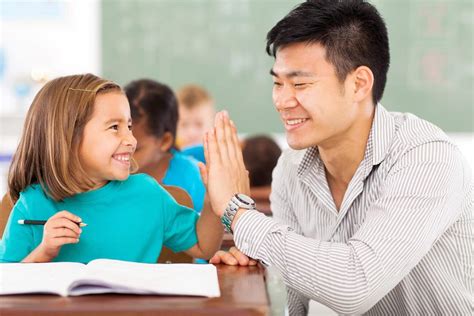
Effective teacher-student relationships form the backbone of educational success. At the heart of any successful classroom is a dynamic where students feel valued, understood, and motivated. This article delves into the best teacher-student relationship strategies that can transform a classroom into a productive and nurturing environment.
Understanding the Foundations
Building strong teacher-student relationships begins with understanding mutual respect and effective communication. Research shows that students who feel respected by their teachers are more likely to engage in class, participate actively, and show improved academic performance. Effective communication involves both verbal and non-verbal cues, ensuring that students feel heard and understood. Teachers should practice active listening, which means fully concentrating, understanding, responding, and remembering what the student is saying.Key Insights
Key Insights
- Effective teacher-student relationships hinge on mutual respect and open communication.
- Teachers should adopt inclusive teaching practices to accommodate diverse student needs.
- Creating a safe and supportive classroom environment encourages students to take risks and express themselves.
Implementing Inclusive Teaching Practices
Inclusivity is crucial for establishing an environment where every student feels included and valued. Teachers must be aware of their own biases and strive to create a classroom where all students, regardless of their background, feel equally important. Implementing inclusive teaching practices can include using varied instructional strategies, integrating diverse perspectives into the curriculum, and employing culturally responsive teaching methods. For example, a teacher might introduce multilingual resources or incorporate diverse texts and examples that resonate with all students.Fostering a Supportive Learning Environment
A supportive learning environment is one where students feel safe to explore, make mistakes, and learn from those mistakes. Teachers can foster this environment by establishing clear classroom rules that promote respect and by recognizing and celebrating student achievements, no matter how small. This can be achieved through daily positive reinforcement, student choice in activities, and encouraging peer collaboration. For example, a teacher might implement a “growth mindset” approach where setbacks are viewed as opportunities to learn rather than failures.FAQ Section
How can teachers balance strict discipline with a supportive environment?
Teachers should aim for a balanced approach where clear expectations and consequences are set, but these are communicated in a way that respects the student’s dignity and encourages personal growth. Consistency, fairness, and empathy are key components.
What role does emotional intelligence play in teacher-student relationships?
Emotional intelligence allows teachers to understand and manage their own emotions, as well as recognize and influence the emotions of others. It facilitates empathy, improves interpersonal skills, and helps in resolving conflicts amicably.
In conclusion, the best teacher-student relationship strategies revolve around mutual respect, inclusive practices, and a supportive environment. By focusing on these elements, teachers can create an educational setting that not only enhances academic achievement but also fosters social and emotional development. The investment in these strategies ultimately pays dividends in the form of a more engaged, motivated, and successful student body.