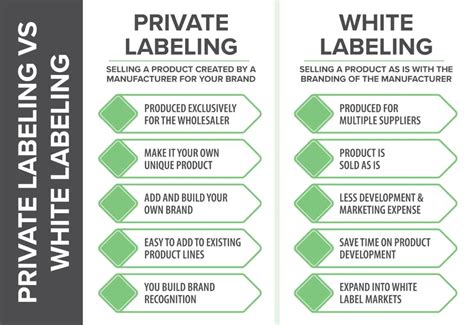
Plunging into the realm of white label services offers a plethora of opportunities for businesses seeking to scale without the hassle of developing proprietary products. White label products, essentially ready-made solutions rebranded under a company’s own name, are revolutionizing the way businesses approach their service offerings. Whether you are a startup or an established enterprise, understanding the nuances of white labeling can provide a significant strategic advantage.
Key Insights
- White label services enable businesses to leverage existing products to create customized offerings without significant investment.
- Selecting a white label solution requires careful consideration of compatibility and customization capabilities.
- Effective integration of white label products can streamline operations and enhance market competitiveness.
White label services serve as a strategic mechanism for companies to avoid the pitfalls of product development. Instead of creating unique products from scratch, businesses can tap into the expertise and infrastructure of established white label providers. This approach not only accelerates time-to-market but also significantly cuts down on costs associated with R&D.
White label solutions are versatile across a variety of sectors. For example, a fitness studio can offer personalized training programs without needing to develop its own proprietary software. By selecting a robust white label fitness management system, they can seamlessly integrate custom branding, track member progress, and manage scheduling—all through a solution tailored to their specific needs.
A nuanced understanding of the technical underpinnings of white label offerings is crucial. It involves scrutinizing the provider’s ability to integrate seamlessly with existing workflows and infrastructure. This consideration often includes examining API integrations, customization options, and the scalability of the solution. For instance, a marketing agency looking to offer SEO services could benefit from a white label SEO reporting tool. Ensuring that the tool can integrate with their client management software and can scale with their growing client base would be critical for success.
One actionable recommendation is for businesses to conduct comprehensive due diligence before committing to a white label provider. Engage with providers to evaluate their flexibility in terms of branding and customization. Request demos and pilot tests to gauge the integration potential and overall usability. It’s also wise to solicit references or case studies from current clients to gauge their experience and satisfaction levels.
What industries benefit most from white label services?
White label services benefit a broad range of industries, including fitness, e-commerce, healthcare, and digital marketing. Any industry that requires additional services or products without the need for internal development can leverage white label offerings.
Can white label solutions be customized to fit unique business needs?
Yes, many white label providers offer varying degrees of customization. This might involve branding elements, integration with existing software, or tailored features. However, it is important to assess the provider’s capability for such customizations and ensure they align with your business requirements.
In conclusion, white label services present a pragmatic approach to expanding a business’s service portfolio. By leveraging existing, high-quality products, companies can achieve significant operational efficiencies, reduce costs, and offer enhanced services to their clients. Whether for fitness studios needing management software, or marketing agencies requiring advanced reporting tools, the strategic use of white label services can provide a substantial competitive edge. By focusing on integration, customization, and thorough provider evaluation, businesses can unlock the full potential of white label solutions.